Looking For A Specific Post? Search Below
How Do I Choose the Right Generator for My Home?
A sudden power outage can disrupt your life in unimaginable ways. From spoiled groceries to halted workdays and even safety concerns for those with medical needs, losing electricity isn’t simply inconvenient. In some cases, power loss can be unsafe. That’s why investing in a reliable home generator is crucial. At Generator Technologies, Inc., we’ve helped countless homeowners regain peace of mind by providing the perfect power solutions. With numerous options available on the market, selecting the ideal generator for your home can be tricky. Our team helps you determine the right choice.
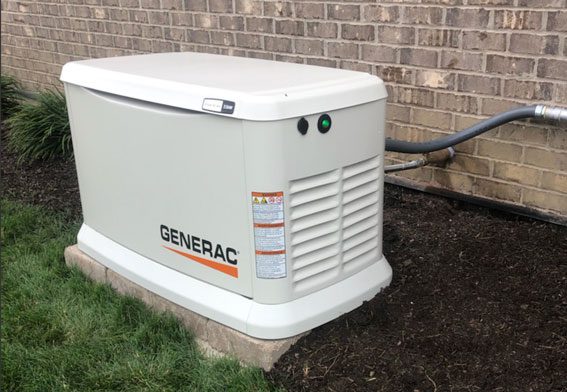
Understanding Standby Generators
Not all standby generators are created equal. These appliances are designed to seamlessly restore your home’s power during outages, either partially or entirely, depending on their capacity. They come in various sizes, power levels and fuel types, which can make choosing the right one complex.
Standby generators are available in two main categories:
- Partial Home Generators: These are smaller units capable of powering essential circuits like your refrigerator, sump pump or a few lights and outlets. Ideal for homeowners seeking an affordable way to cover critical needs.
- Whole Home Generators: These larger systems can sustain your entire household, including HVAC systems and kitchen appliances, providing full comfort and functionality during an outage.
Determining the best option starts with understanding your individual needs. But the task doesn’t stop there. Selecting the right power level and features is key to ensuring your generator performs when it matters most.
Key Factors to Consider
1. Your Power Requirements
Every home has unique energy demands. Start by listing essential appliances and systems you need during a power outage. For example, refrigerators average 300 to 800 watts, while air conditioners might exceed 1,500 watts. Add up the wattage of these items, including initial surges from equipment with motors, to estimate your total power needs. Standby generators range from 7,500 watts for basic essentials to over 48,000 watts for full-house coverage.
2. Fuel Type
Generators run on various fuels, including natural gas, propane and diesel. Natural gas and propane models are convenient if you have an existing gas connection or storage tank. Diesel options typically deliver greater efficiency for high-power needs. Choose the fuel type that aligns with your home’s setup and your long-term goals.
3. Budget Considerations
Generator costs vary widely. Small-scale models for partial coverage can cost around $5,000, including installation, while whole-home systems are priced higher. Investing in professional installation ensures safety and functionality, so include that in your budget. Remember, a generator is a long-term investment in your home’s value and your family’s security.
4. Medical Needs
Reliable power goes beyond convenience. For some families, it’s a necessity. If you have medical equipment like CPAP machines, oxygen concentrators or refrigeration for medications, you’ll need to select a generator that guarantees uninterrupted power.
Explore Options With a Professional
Choosing the right generator for your home can feel overwhelming without the right guidance. That’s where Generator Technologies, Inc. comes in. From evaluating your specific needs to professional installations, our team has the experience to help you select the ideal system for your home.
Don’t wait for the next outage to leave your family in the dark. Contact us today, and enjoy the peace of mind that comes with power you can count on.