
How Can I Keep My Generator Running Smoothly?
Looking For A Specific Post? Search Below
How Can I Keep My Generator Running Smoothly?
Owning a generator is a great way to ensure your home remains powered during unexpected outages. Whether you’re a homeowner who always likes to be prepared or someone who often depends on reliable backup power, regular generator maintenance is essential to keep it running smoothly. Neglecting upkeep can lead to reduced performance, higher repair costs and potential safety hazards. Here, the experts at Generator Technologies provide practical tips to help your generator stay in peak condition and ready for action whenever you need it.
Why Regular Maintenance Matters
Failing to maintain your generator can lead to more than just inconvenience. Without proper upkeep, generators may fail during critical moments, creating safety concerns for your home and family. Regular maintenance ensures:
- Safety: Prevent risks such as overheating or electrical hazards.
- Reliability: A well-maintained generator is less likely to fail during power outages.
- Longevity: Taking good care of your equipment extends its lifespan, protecting your investment over time.
By committing to routine inspections and care, you’ll have a dependable power backup for years to come.
Key Maintenance Tips
Keeping your generator in optimal condition doesn’t have to be complicated. Follow these tips for smooth operation.
1. Perform Routine Inspections
Schedule inspections every 6 months to detect wear and tear early. Look for visible damage, loose wires and signs of corrosion.
2. Ensure Proper Ventilation
Generators produce harmful fumes like carbon monoxide. Keep the generator installed in an open, well-ventilated area to prevent toxic buildup.
3. Regularly Change Oil and Filters
To maintain engine efficiency, change the oil and filters after every 50–60 hours of operation or according to the manufacturer’s guidelines.
4. Avoid Fueling While Running
Refuel only when the engine is turned off and cool. This reduces the risk of spills and potential fires.
5. Use High-Quality Power Cords
Invest in heavy-duty, high-quality power cords rated for generator use. Poor-quality cords can lead to power loss and electrical issues.
6. Never Run Out of Fuel
Allowing your generator to run dry can damage the fuel system and result in costly repairs. Always keep the fuel tank adequately filled.
7. Remove Old Fuel
Prolonged use of old fuel can clog the carburetor and harm the engine. When necessary, drain old fuel and refill the tank with fresh, quality gasoline.
8. Check Voltage Output
Use a voltage meter to ensure the generator produces consistent power. Discrepancies could indicate an issue that needs professional attention.
9. Run the Generator Occasionally
Start your generator for about 20 minutes every few weeks. This keeps it in working condition and ensures that fuel systems remain functional.
Additional Tips
Use a Transfer Switch
For a safer and more efficient setup, install a transfer switch. It prevents power backfeeding, which poses a significant safety hazard for utility workers and your home’s electrical system.
Proper Connection Practices
Ensure all appliances are plugged into the generator using appropriate connections. Improper setup can damage your generator and create dangerous situations.
Reliable Power When You Need It Most
Routine generator maintenance is a small price to pay to ensure safety, reliability and peace of mind. Keeping your backup power solution in top condition means you’ll never be left in the dark when the unexpected happens.
If you’re unsure about performing maintenance yourself, the experts at Generator Technologies are here to help. Our team has over 20 years of experience in ensuring generators run smoothly, safely and efficiently. If you need professional services, contact us to learn about solutions tailored to your needs.
Related Blog Posts
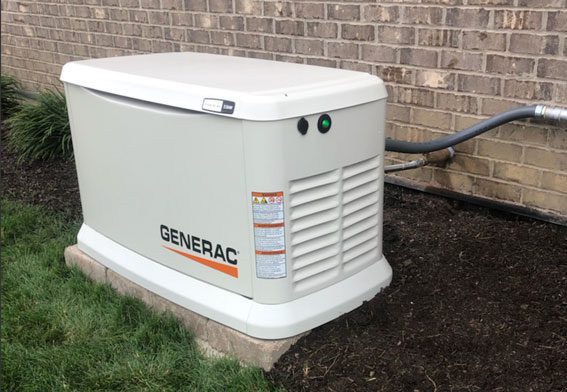
What Do the Lights on My Generac Generator Mean?
When the power goes out, your Generac generator should be your home's silent guardian, kicking in automatically to keep the lights on and the refrigerator running. So when it speaks to you through the simple visual language of LED indicator lights, it’s time to listen. Understanding what these colors mean…

How to Prepare for Future Power Outages in Northwest Indiana?
Northwest Indiana has seen its share of severe storms, and the outages they leave behind can stretch for days. If your home or business lost power during a recent weather event, you already know how disruptive it can be. You do not have to wait for the next storm to…
Will Running Out of Fuel Damage Your Generator During an Outage?
If your generator runs out of fuel during a power outage, it can be very worrying. You may wonder if you've damaged your generator, or if there is anything you need to do to rectify this issue. Here at Generator Technologies, Inc., we want to provide you with peace of…
Google Reviews
Steve and team were timely, professional, and honest. Great service from beginning to end. Took time to review everything with me. A whole house generator is a big investment & I’m glad I chose Generator Technologies as my provider.

Highly regarded in the area and definitely the go-to for all things power. Family-owned and ran business that should be part of your consideration if maintenance or are adding a generator to your property.
After much communication between Generac, the company, and Generator Technologies, which installed the unit, progress has been made. Despite Generac offering little to no help and not standing by its product, Generator Technologies has been working with me to make...
Highly recommend Generator Technologies! Their pricing was very fair and competitive, and the team was professional, efficient, and easy to work with. They completed the job quickly and made sure everything was cleaned up before they left. Great experience from...
We purchased the property a year ago and the Generac was included. The previous owners did provide some information on the services performed. After a year of operation it was time to have the unit serviced. Based on the reviews...
Amazing customer service! Everyone from the front desk to the installation crew was extremely professional and knowledgeable. Install was quick! 10/10 I would highly recommend this company!
During a recent and extended power outage, my generator was running for approximately 18 hours. I noticed it was leaking oil. I called Generator Technologies, this was a Friday afternoon, so I didn't expect anyone to come out until the...
Great guys. Senior came out, gave me a quote to install my generator. Junior installed a short time later. Done a great job and good price. I needed there service again, Junior came out and did what he needed to....
I can't say enough about the service I received from them. I've never used them before but I will always use them from here on out. I was lucky enough to have them out at my house 1 hour after...
What an excellent company! From the consultation to the estimate to today's install - perfectly flawless. In addition to the knowledge of all the technicians, they were the nicest group of guys we've ever had work at our home. They...


Financing Available*
Flexible options to secure reliable power
solutions for your home, family & business!
Contact Us Today For A Free Estimate
708-672-6251
Contact Us For A Free
No Obligation In-Home Estimate


*Certain restrictions apply. Financing is subject to credit approval. Financing is offered through Generac Power Systems, Inc. Financing is not provided by nor determined by Generator Technologies, Inc. Not all applicants will qualify for the 0% financing
The information on this website is for informational purposes only; it is deemed accurate but not guaranteed. It does not constitute professional advice. Testimonials are not a guarantee, warranty or prediction of what your experience with us will be. By providing certain contact information herein, you are expressly authorizing the recipient of this message to contact you via the methods of communication provided.
NUVEW | Copyright 2026 Generator Technologies Inc. All Rights Reserved. | Accessibility Notice | Privacy Statement