
What Should Homeowners Know About EV Charging Installation?
Looking For A Specific Post? Search Below
What Should Homeowners Know About EV Charging Installation?
With the rapid rise of electric vehicles (EVs) on our roads, more homeowners are shifting gears from gas pumps to plug-in power. While public charging stations are becoming more common, nothing beats the convenience and reliability of waking up to a fully charged car right in your own garage. At Generator Technologies, Inc., we understand that making the switch to home charging is an exciting step toward energy independence, but the installation process can feel complex. That’s why we’re here to help guide you through the technical details, ensuring your transition to electric driving is as smooth as your ride.
Homeowners should consider several details when installing an EV charging station:
- Charging Levels: Understand the difference between Level 1 (slow) and Level 2 (fast) charging.
- Electrical Load: Your home’s panel must handle the significant amperage requirements of an EV charger.
- Permits & Safety: Professional installation ensures compliance with local codes and safety standards.
- Backup Power: Pairing EV chargers with home generators provides ultimate reliability during outages.
What are the different levels of EV charging?
Before installing your EV charging station, you need to know which charging speed fits your lifestyle.
- Level 1 Charging: This is the standard cord that often comes with the vehicle. It plugs into a regular 120-volt household outlet. It’s simple but slow, typically adding only 3 to 5 miles of range per hour. This is usually sufficient for hybrids or drivers with very short daily commutes.
- Level 2 Charging: This is the standard for efficient home charging. Requiring a 240-volt circuit (like your clothes dryer), Level 2 chargers can replenish 10 to 60 miles of range per hour. This allows you to charge your vehicle completely overnight. Most homeowners opt for Level 2 installations for their speed and convenience.
Is my home’s electrical panel ready for an EV charger?
Installing a Level 2 charger isn’t as simple as plugging in a toaster. It adds a significant load to your home’s electrical system, often requiring a dedicated circuit with 40 to 60 amps.
- Panel Capacity: If you have an older home or a smaller electrical panel (e.g., 100 amps), adding an EV charger might overload the system.
- Load Calculations: A professional electrician needs to perform a load calculation to determine if your current service can handle the extra demand.
- Upgrades: In some cases, a service panel upgrade or a “heavy up” may be necessary to safely accommodate the charger. Alternatively, load management devices can sometimes be used to balance electricity usage without a full panel replacement.
Do I really need permits and inspections for installation?
Absolutely. While DIY projects are great for painting or landscaping, high-voltage electrical work requires professional oversight.
- Safety First: Improper installation can lead to fire hazards or damage to your expensive vehicle’s battery system.
- Code Compliance: Local building departments usually require permits for EV charger installations to ensure the work meets the National Electrical Code (NEC).
- Resale Value: Unpermitted electrical work can cause significant headaches when you eventually sell your home. A professional installation by a licensed contractor ensures everything is documented and up to code.
Can I pair my EV charger with a home standby generator?
This is a critical consideration often overlooked by new EV owners. If the grid goes down, your ability to “refuel” your car goes down with it, unless you have a backup plan.
- Energy Management: Charging an EV draws a lot of power. If you have a standby generator, you need to ensure it is sized correctly to handle the load of the house and the car, or have a smart management system in place.
- Smart Modules: We can install load-shedding modules that allow the generator to power your home’s essentials first, and only charge the EV when there is excess capacity, preventing generator overload.
- Total Peace of Mind: By integrating your EV charger with a whole-house generator system, you ensure that even during extended power outages, you aren’t stranded without a vehicle.
Power up your drive with confidence
Installing an EV charging station is a smart investment in your home and your mobility, but it requires careful planning regarding voltage, electrical capacity, and safety regulations. Don’t leave your car’s power source to chance. Whether you need a complete turn-key system or installation for a charger you’ve already purchased, Generator Technologies, Inc. offers unsurpassed reliability and competitive pricing. Contact us today to get started.
Related Blog Posts
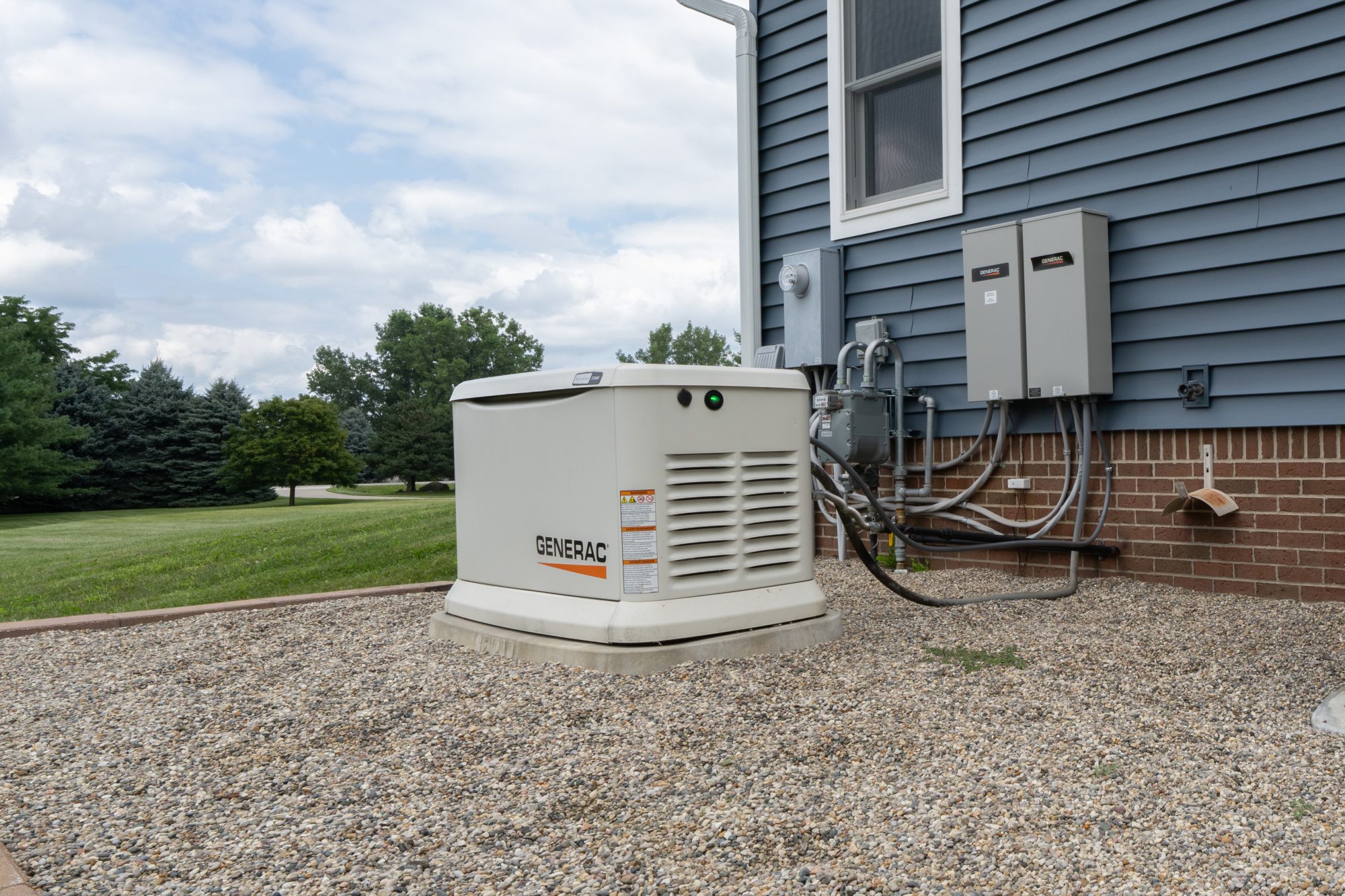
What Illinois Homeowners Should Know About New Generator Installation Requirements
Power outages are a problem that goes beyond occasional inconvenience. Whether it’s during a summer storm or a winter freeze, losing power can compromise your safety and comfort. Installing a residential standby generator is the smartest way to protect your home, but it isn't as simple as plugging in a…

What Should Homeowners Know About EV Charging Installation?
With the rapid rise of electric vehicles (EVs) on our roads, more homeowners are shifting gears from gas pumps to plug-in power. While public charging stations are becoming more common, nothing beats the convenience and reliability of waking up to a fully charged car right in your own garage. At…
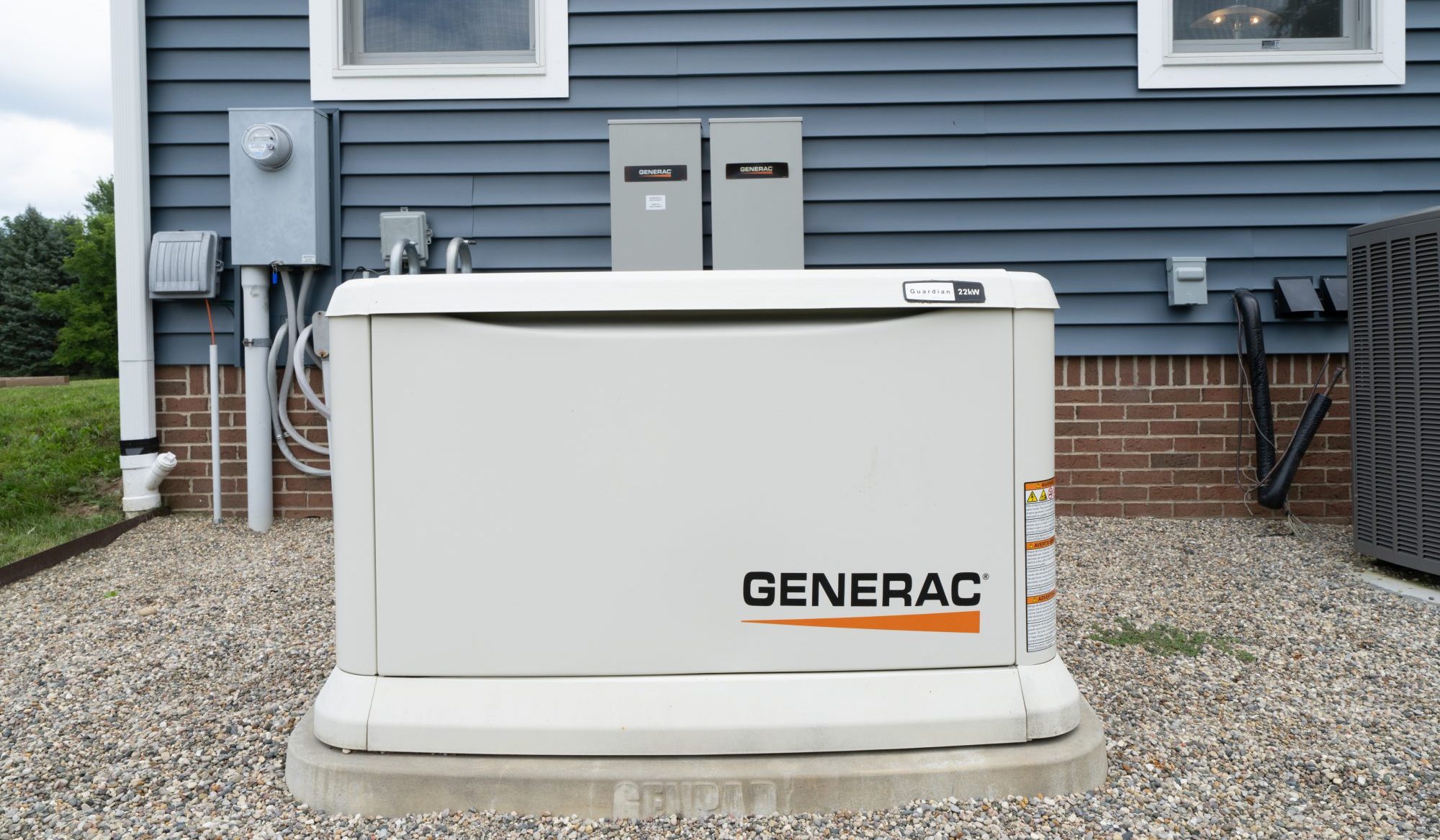
How to Keep Your Home Generator in Working Order for the Winter Season
Winter storms can hit unexpectedly, often bringing heavy snow, ice and biting cold that can strain the power grid. When the lights go out, your home generator is your lifeline, keeping your heat running and your family safe. But just like a car sitting in the garage for months, a…
Google Reviews
We purchased the property a year ago and the Generac was included. The previous owners did provide some information on the services performed. After a year of operation it was time to have the unit serviced. Based on the reviews...

Amazing customer service! Everyone from the front desk to the installation crew was extremely professional and knowledgeable. Install was quick! 10/10 I would highly recommend this company!
During a recent and extended power outage, my generator was running for approximately 18 hours. I noticed it was leaking oil. I called Generator Technologies, this was a Friday afternoon, so I didn't expect anyone to come out until the...
Great guys. Senior came out, gave me a quote to install my generator. Junior installed a short time later. Done a great job and good price. I needed there service again, Junior came out and did what he needed to....
I can't say enough about the service I received from them. I've never used them before but I will always use them from here on out. I was lucky enough to have them out at my house 1 hour after...
What an excellent company! From the consultation to the estimate to today's install - perfectly flawless. In addition to the knowledge of all the technicians, they were the nicest group of guys we've ever had work at our home. They...
Great staff and great technicians, they know what they are doing and get the job done, thanks Aaron, Ethan, and Tina for helping me with my warranty work through generac and figured out my auxiliary switches were defective.
Experienced, helpful and reasonably priced! Gen-Tech has helped me after purchasing a home with an existing generator. From extra keys, normal maintenance and a new gas pipe, they do it all!
They showed up on time. They fixed an issue we had with our panel in a timely matter and did routine maintenance. These guys are the best 5 stars
I got tired of all the power outages in my area. I mean 17 times in less than a year! Power outages for a few minutes to hours and even two days. I looked into costs and finally decided on...


Financing Available*
Flexible options to secure reliable power
solutions for your home, family & business!
Contact Us Today For A Free Estimate
708-672-6251
Contact Us For A Free
No Obligation In-Home Estimate


*Certain restrictions apply. Financing is subject to credit approval. Financing is offered through Generac Power Systems, Inc. Financing is not provided by nor determined by Generator Technology Inc. Not all applicants will qualify for the 0% financing
The information on this website is for informational purposes only; it is deemed accurate but not guaranteed. It does not constitute professional advice. Testimonials are not a guarantee, warranty or prediction of what your experience with us will be. By providing certain contact information herein, you are expressly authorizing the recipient of this message to contact you via the methods of communication provided.
NUVEW | Copyright 2026 Generator Technologies Inc. All Rights Reserved. | Accessibility Notice | Privacy Statement