
What’s the Difference Between 15-Amp Outlets and 20-Amp Outlets?
Looking For A Specific Post? Search Below
What’s the Difference Between 15-Amp Outlets and 20-Amp Outlets?
Choosing the right amperage can save you from frustrating power interruptions and potential safety hazards. Whether you’re renovating your kitchen or setting up a workshop, knowing when to use 15-amp versus 20-amp outlets will help you make informed decisions about your home’s electrical system. At Generator Technologies, Inc., we help homeowners navigate these electrical decisions to ensure safe, efficient power distribution throughout their homes. There are notable differences between these two outlet types:
- Current capacity: 15-amp outlets handle standard household devices, while 20-amp outlets support higher-power appliances
- Physical appearance: 20-amp outlets feature a distinctive horizontal slot alongside the standard vertical slots
- Wiring requirements: 20-amp outlets need thicker 12-gauge wire compared to 14-gauge wire for 15-amp outlets
- Cost considerations: 15-amp outlets are more affordable, but 20-amp outlets provide better long-term value in high-demand areas
How Much Current Can Each Outlet Handle?
The fundamental difference lies in current capacity. A 15-amp outlet safely delivers up to 15 amperes of electrical current, while a 20-amp outlet can handle up to 20 amperes. This 5-amp difference might seem small, but it significantly impacts which appliances you can use safely.
For perspective, most standard household items like lamps, televisions and phone chargers draw between 1-5 amps. However, kitchen appliances like microwaves and coffee makers can quickly approach or exceed a 15-amp outlet’s capacity when used simultaneously.
How Can You Tell Them Apart Visually?
Identifying outlet types is straightforward once you know what to look for. Standard 15-amp outlets feature two vertical slots and a round ground hole. The 20-amp outlet includes these same features plus a horizontal slot extending from one of the vertical slots, creating a distinctive “T” shape.
This horizontal slot accommodates the special plug configuration found on high-amperage appliances. However, standard 15-amp plugs can still fit into 20-amp outlets, providing flexibility for mixed-use applications.
What Wiring Do These Outlets Require?
Behind the wall, these outlets demand different wiring specifications. A 15-amp outlet uses 14-gauge wire, while 20-amp outlets require thicker 12-gauge wire to safely carry the increased current load.
Installing a 20-amp outlet on 14-gauge wiring creates a dangerous mismatch that could lead to overheating and fire hazards. Always ensure your wiring matches your outlet specifications—this is where professional consultation becomes essential.
Why Choose 15-Amp Outlets for Your Home?
Standard 15-amp outlets offer several advantages for typical residential applications:
- Budget-friendly installation: Lower material and labor costs make these outlets economical for general use
- Perfect for everyday electronics: Sufficient power for televisions, computers, lamps and small appliances
- Wide compatibility: Most household devices are designed to work with standard 15-amp circuits
These outlets work perfectly in bedrooms, living rooms, and hallways where power demands remain relatively low and consistent.
When Do 20-Amp Outlets Make Sense?
Higher-capacity 20-amp outlets provide distinct benefits for demanding applications:
- Increased power capacity: Support for heavy-duty appliances and multiple high-draw devices
- Reduced circuit overloads: Less frequent breaker trips when running multiple appliances simultaneously
- Enhanced safety margins: Better protection against electrical stress in high-demand situations
The additional current capacity means you can operate power tools, large appliances, and multiple devices without constantly worrying about overloading your electrical system.
Plan Your Electrical System for Maximum Safety
Choosing between 15-amp and 20-amp outlets depends on your specific power requirements and usage patterns. Remember that electrical work involves safety considerations beyond simple convenience. Proper installation ensures your family’s protection while maximizing your electrical system’s efficiency and reliability. Don’t compromise on electrical safety: let Generator Technologies, Inc. help you make the right choice for your family’s protection. Contact us for a professional assessment.
Related Blog Posts

How to Prepare for Future Power Outages in Northwest Indiana?
Northwest Indiana has seen its share of severe storms, and the outages they leave behind can stretch for days. If your home or business lost power during a recent weather event, you already know how disruptive it can be. You do not have to wait for the next storm to…
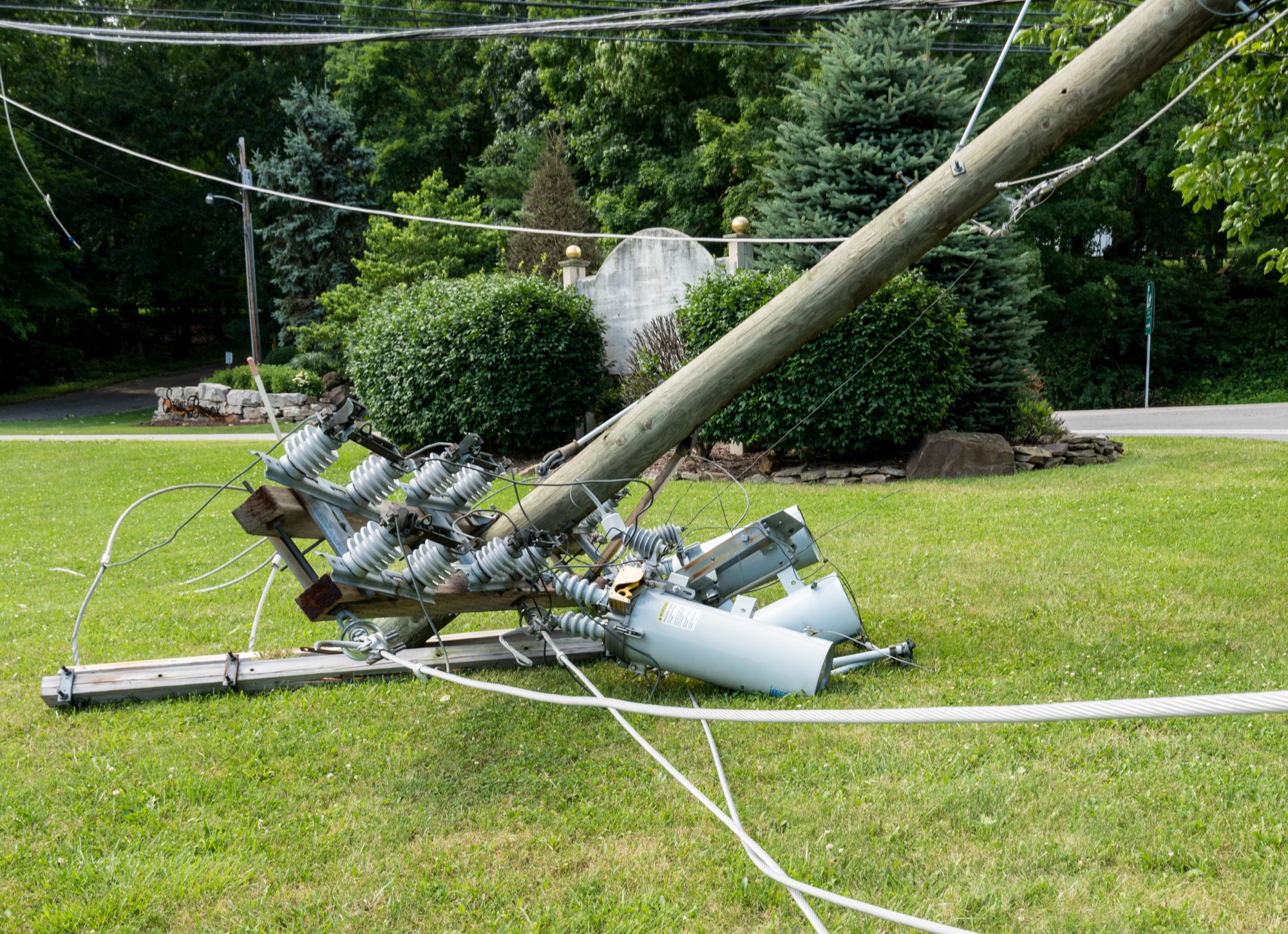
Will Running Out of Fuel Damage Your Generator During an Outage?
If your generator runs out of fuel during a power outage, it can be very worrying. You may wonder if you've damaged your generator, or if there is anything you need to do to rectify this issue. Here at Generator Technologies, Inc., we want to provide you with peace of…
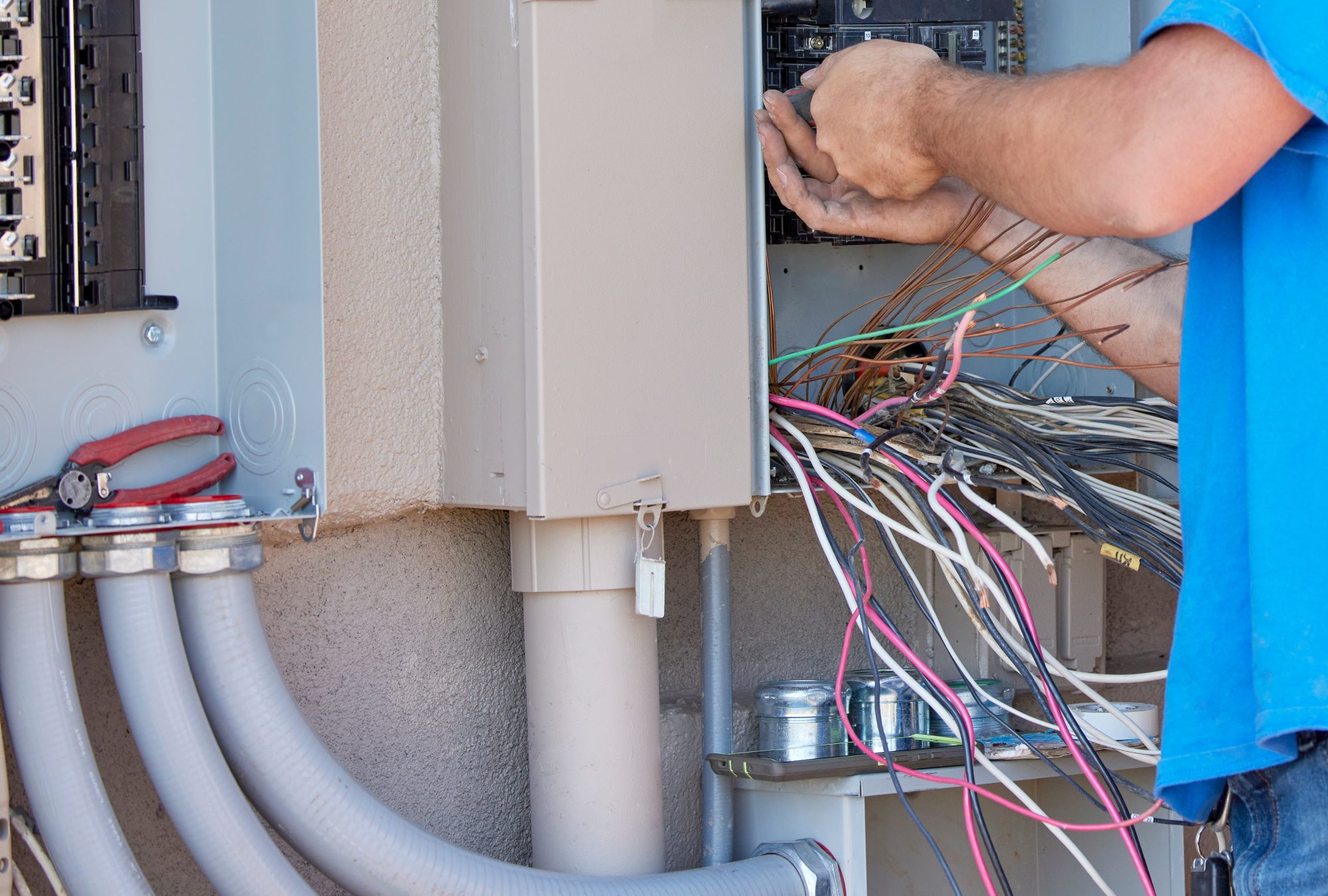
What Is Load Management on a Generac Generator?
When the lights suddenly go out unexpectedly, you want to keep your home temperature right, keep your food cold, and make sure your loved ones are comfortable. A standby generator brings tremendous peace of mind, but you might wonder how it powers everything without shutting down. To help you understand…
Google Reviews
Highly regarded in the area and definitely the go-to for all things power. Family-owned and ran business that should be part of your consideration if maintenance or are adding a generator to your property.

After much communication between Generac, the company, and Generator Technologies, which installed the unit, progress has been made. Despite Generac offering little to no help and not standing by its product, Generator Technologies has been working with me to make...
Highly recommend Generator Technologies! Their pricing was very fair and competitive, and the team was professional, efficient, and easy to work with. They completed the job quickly and made sure everything was cleaned up before they left. Great experience from...
We purchased the property a year ago and the Generac was included. The previous owners did provide some information on the services performed. After a year of operation it was time to have the unit serviced. Based on the reviews...
Amazing customer service! Everyone from the front desk to the installation crew was extremely professional and knowledgeable. Install was quick! 10/10 I would highly recommend this company!
During a recent and extended power outage, my generator was running for approximately 18 hours. I noticed it was leaking oil. I called Generator Technologies, this was a Friday afternoon, so I didn't expect anyone to come out until the...
Great guys. Senior came out, gave me a quote to install my generator. Junior installed a short time later. Done a great job and good price. I needed there service again, Junior came out and did what he needed to....
I can't say enough about the service I received from them. I've never used them before but I will always use them from here on out. I was lucky enough to have them out at my house 1 hour after...
What an excellent company! From the consultation to the estimate to today's install - perfectly flawless. In addition to the knowledge of all the technicians, they were the nicest group of guys we've ever had work at our home. They...
Great staff and great technicians, they know what they are doing and get the job done, thanks Aaron, Ethan, and Tina for helping me with my warranty work through generac and figured out my auxiliary switches were defective.


Financing Available*
Flexible options to secure reliable power
solutions for your home, family & business!
Contact Us Today For A Free Estimate
708-672-6251
Contact Us For A Free
No Obligation In-Home Estimate


*Certain restrictions apply. Financing is subject to credit approval. Financing is offered through Generac Power Systems, Inc. Financing is not provided by nor determined by Generator Technology Inc. Not all applicants will qualify for the 0% financing
The information on this website is for informational purposes only; it is deemed accurate but not guaranteed. It does not constitute professional advice. Testimonials are not a guarantee, warranty or prediction of what your experience with us will be. By providing certain contact information herein, you are expressly authorizing the recipient of this message to contact you via the methods of communication provided.
NUVEW | Copyright 2026 Generator Technologies Inc. All Rights Reserved. | Accessibility Notice | Privacy Statement