
What Illinois Homeowners Should Know About New Generator Installation Requirements
Looking For A Specific Post? Search Below
What Illinois Homeowners Should Know About New Generator Installation Requirements
Power outages are a problem that goes beyond occasional inconvenience. Whether it’s during a summer storm or a winter freeze, losing power can compromise your safety and comfort. Installing a residential standby generator is the smartest way to protect your home, but it isn’t as simple as plugging in a device. There are strict local and state installation requirements that must be met to ensure safety and legality. Generator Technologies, Inc. specializes in these complex regulations to provide a seamless, code-compliant installation for your family.
Before installing a new generator, Illinois homeowners should know:
- Permits are typically required for all generator installations.
- Location and setback requirements must be followed strictly.
- Noise levels are regulated and must be tested at the lot line.
- Electrical and gas line inspections are mandatory after installation.
- Compliance with NFPA 37 standards regarding fire safety is essential.
What Permits Are Required for Generator Installation?
Before any work begins, you must obtain the correct permits. In almost every Illinois municipality, including towns like Mokena and Darien, installing a permanent standby generator requires a building permit. This process isn’t just paperwork; it ensures that your plan meets local zoning and safety codes. Attempting to install a unit without these approvals can result in fines and the forced removal of your equipment.
Where Can Generators Be Located on Your Property?
You cannot place a generator just anywhere in your yard. Municipalities have strict setback rules to ensure safety and aesthetics. Generally, units must be located in the side or rear yards.
Using Darien and Mokena as examples, the regulations often state:
- Side Yards: Generators usually cannot be located more than 5 feet from the exterior wall of the home.
- Windows and Doors: The unit must often be at least 5 to 10 feet away from any window or door opening to prevent carbon monoxide entry.
- Lot Lines: There are specific distances required from your property line to ensure you aren’t disturbing neighbors.
These “setback” requirements vary by town, which is why a professional site survey is critical before purchasing a unit.
How Loud Can Your Generator Be?
Noise pollution is a major concern for residential neighborhoods. Modern generators are quieter than older models, but they still produce significant sound. Local ordinances set strict decibel (dB) limits to keep the peace. Regulations vary, but usually specify the limit at which residential generators shall not exceed when measured at the lot line.
What Inspections Are Required After Installation?
The job isn’t done once the generator is physically in place. To close out your permit and ensure the system is safe to operate, you must pass final inspections.
Most municipalities require two distinct inspections:
- Final Electrical Inspection: This verifies that the transfer switch, wiring and grounding meet the National Electrical Code (NEC). It ensures that your generator won’t backfeed power into the grid, which endangers utility workers.
- Final Mechanical/Gas Inspection: This checks the gas piping (whether natural gas or propane) for leaks and proper pressure. It ensures the fuel source is safely connected and complies with fuel gas codes.
Do Generator Installation Requirements Comply with NFPA 37 Standards?
Yes, compliance with the National Fire Protection Association (NFPA) standards is non-negotiable. Specifically, NFPA 37 acts as the standard for the installation and use of stationary combustion engines.
This standard establishes criteria for minimizing fire hazards. It dictates how far the engine must be from combustible materials (like vinyl siding or wood decks). While some modern generators have fire-rated enclosures that allow them to be placed closer to the home than the standard 5 feet, this exception must be documented and approved by local inspectors based on NFPA 37 guidelines. Ignoring these standards puts your home at risk of fire.
Why Choose GenTec for Your Installation?
Navigating permits, setbacks, noise ordinances and NFPA codes can be overwhelming for a homeowner. That is why choosing a specialized contractor is the best decision you can make. Generator Technologies, Inc. offers a complete turn-key system service. We handle everything from the initial site survey and permitting to the final inspection.
Whether you need a system we provide or want us to install a unit you purchased elsewhere, our expertise is your advantage. We offer:
- Unsurpassed Reliability: We ensure your system is sized correctly for your “amp footprint.”
- Competitive Pricing: We provide cost-effective solutions for both whole-house and essential-circuit coverage.
- Local Expertise: We serve customers within 100 miles of our Crete, IL office and understand the specific codes of our local municipalities.
Learn More About Our Generator Installation Services
Your family’s safety should always be the priority. Understanding the requirements for generator installation is the first step toward energy independence. By adhering to permits, location rules and safety standards, you ensure your investment adds value and protection to your home. If you are ready to prepare for the eventualities of power outages, contact Generator Technologies, Inc. today for your free estimate.
Related Blog Posts

How to Prepare for Future Power Outages in Northwest Indiana?
Northwest Indiana has seen its share of severe storms, and the outages they leave behind can stretch for days. If your home or business lost power during a recent weather event, you already know how disruptive it can be. You do not have to wait for the next storm to…
Will Running Out of Fuel Damage Your Generator During an Outage?
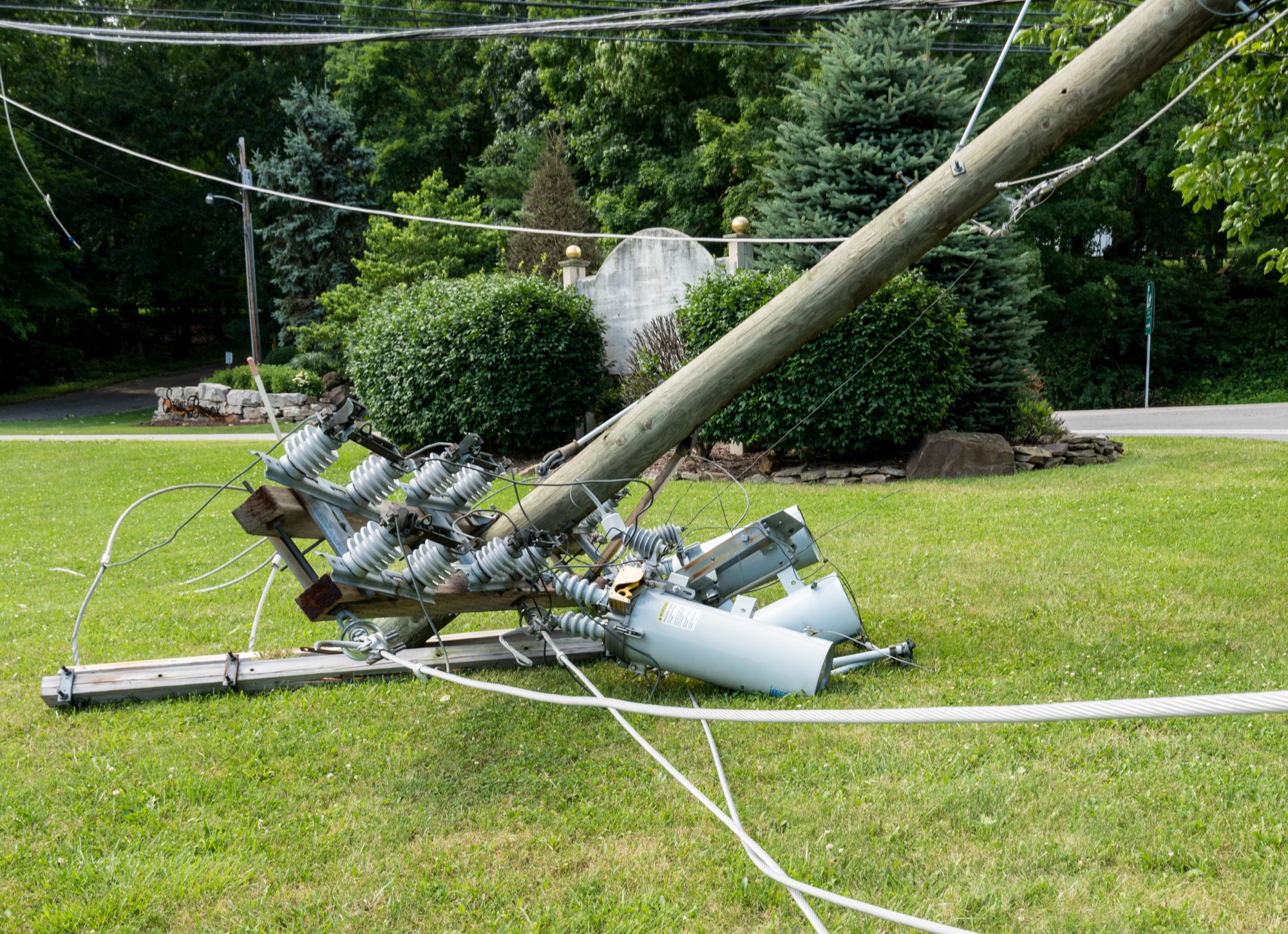
If your generator runs out of fuel during a power outage, it can be very worrying. You may wonder if you've damaged your generator, or if there is anything you need to do to rectify this issue. Here at Generator Technologies, Inc., we want to provide you with peace of…
What Is Load Management on a Generac Generator?
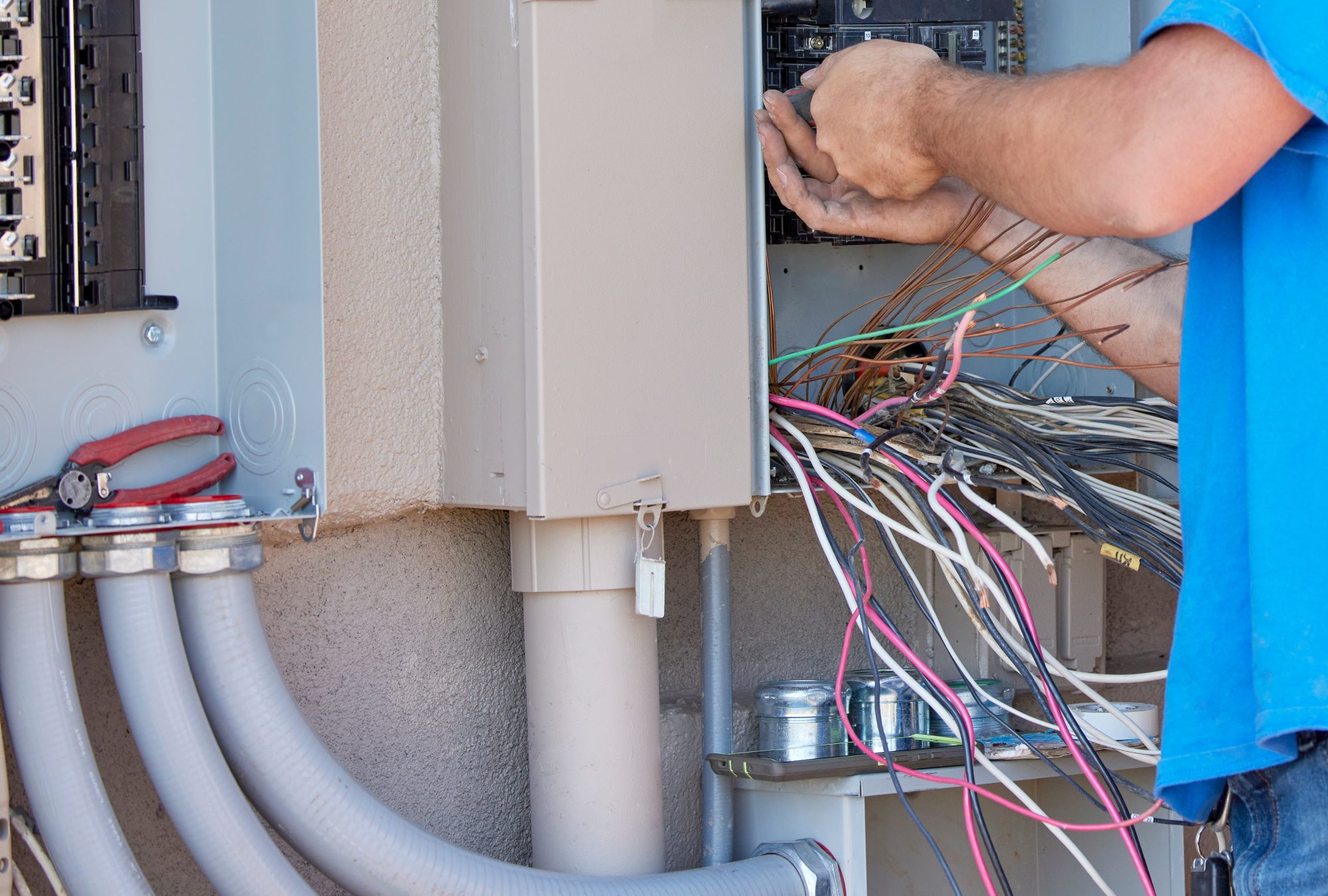
When the lights suddenly go out unexpectedly, you want to keep your home temperature right, keep your food cold, and make sure your loved ones are comfortable. A standby generator brings tremendous peace of mind, but you might wonder how it powers everything without shutting down. To help you understand…
Google Reviews
Highly regarded in the area and definitely the go-to for all things power. Family-owned and ran business that should be part of your consideration if maintenance or are adding a generator to your property.

After much communication between Generac, the company, and Generator Technologies, which installed the unit, progress has been made. Despite Generac offering little to no help and not standing by its product, Generator Technologies has been working with me to make...
Highly recommend Generator Technologies! Their pricing was very fair and competitive, and the team was professional, efficient, and easy to work with. They completed the job quickly and made sure everything was cleaned up before they left. Great experience from...
We purchased the property a year ago and the Generac was included. The previous owners did provide some information on the services performed. After a year of operation it was time to have the unit serviced. Based on the reviews...
Amazing customer service! Everyone from the front desk to the installation crew was extremely professional and knowledgeable. Install was quick! 10/10 I would highly recommend this company!
During a recent and extended power outage, my generator was running for approximately 18 hours. I noticed it was leaking oil. I called Generator Technologies, this was a Friday afternoon, so I didn't expect anyone to come out until the...
Great guys. Senior came out, gave me a quote to install my generator. Junior installed a short time later. Done a great job and good price. I needed there service again, Junior came out and did what he needed to....
I can't say enough about the service I received from them. I've never used them before but I will always use them from here on out. I was lucky enough to have them out at my house 1 hour after...
What an excellent company! From the consultation to the estimate to today's install - perfectly flawless. In addition to the knowledge of all the technicians, they were the nicest group of guys we've ever had work at our home. They...
Great staff and great technicians, they know what they are doing and get the job done, thanks Aaron, Ethan, and Tina for helping me with my warranty work through generac and figured out my auxiliary switches were defective.


Financing Available*
Flexible options to secure reliable power
solutions for your home, family & business!
Contact Us Today For A Free Estimate
708-672-6251
Contact Us For A Free
No Obligation In-Home Estimate


*Certain restrictions apply. Financing is subject to credit approval. Financing is offered through Generac Power Systems, Inc. Financing is not provided by nor determined by Generator Technology Inc. Not all applicants will qualify for the 0% financing
The information on this website is for informational purposes only; it is deemed accurate but not guaranteed. It does not constitute professional advice. Testimonials are not a guarantee, warranty or prediction of what your experience with us will be. By providing certain contact information herein, you are expressly authorizing the recipient of this message to contact you via the methods of communication provided.
NUVEW | Copyright 2026 Generator Technologies Inc. All Rights Reserved. | Accessibility Notice | Privacy Statement