
Common Reasons Your Generator Won’t Start
Looking For A Specific Post? Search Below
Common Reasons Your Generator Won’t Start
Your generator stands ready to help when your home’s power goes out, but this time it does not start. Our team at Generator Technologies has gathered some of the reasons that your unit may not be kicking on when it should.
- Low on fuel: First and foremost, check to see that you have enough fuel in the tank to get your generator going. Gas-powered generators also may not be able to kick on when there is stale or old field in the tank. You may need to drain the fuel and add fresh fuel to get it started.
- Or oil: You also need to check on the amount of oil that is in your generator as it is vital to keep your engine moving and working properly. While many generators do have a sensor to alert you to any oil issues, you should still check with a dipstick before seeing if it is another problem.
- Battery charge: Your generator’s battery or connections may be the reason for the lack of power. You can charge the battery and if your generator still will not start, then the problem has been isolated to your battery.
- Choke control: The carburetor in your generator’s engine needs to have regulated air flow in order for it to run properly. There needs to be the correct mix of air with fuel. A cold engine should have the choke closed and when the engine warms up, the choke can be opened fully.
- Air filter clogs: If your air filter is clogged with dirt and debris, it will also prevent the right amount of air from flowing into the carburetor. Air filters can be easily identified as dirty and replaced.
- Spark plugs plugged: After checking these areas, you may be dealing with spark plugs that are dirty. Your spark plugs need to be replaced if they are clogged up with dirt or debris that cannot be removed or if there are signs of damage. If you are unsure of how to change spark plugs, contact our team for any generator repairs or maintenance.
- Carburetor or fuel valve clogs: Your carburetor can become clogged from old gasoline and if your carburetor is clogged, your fuel valve is also more than likely clogged. You can check your fuel line by unplugging your fuel hose with a bucket nearby to catch any leaks. If gas is not flowing, then you have a clog in your fuel line.
- Faulty sensor: Your oil level sensor may be malfunctioning and signaling that your generator is low on oil. You need to ensure that your generator is properly placed outside your home on a level surface so that the sensor does not misread the oil level. Part of our installation process is properly placing your unit at your home.
Our Experts are Here for You
We can answer your questions through our online contact form.
Related Blog Posts
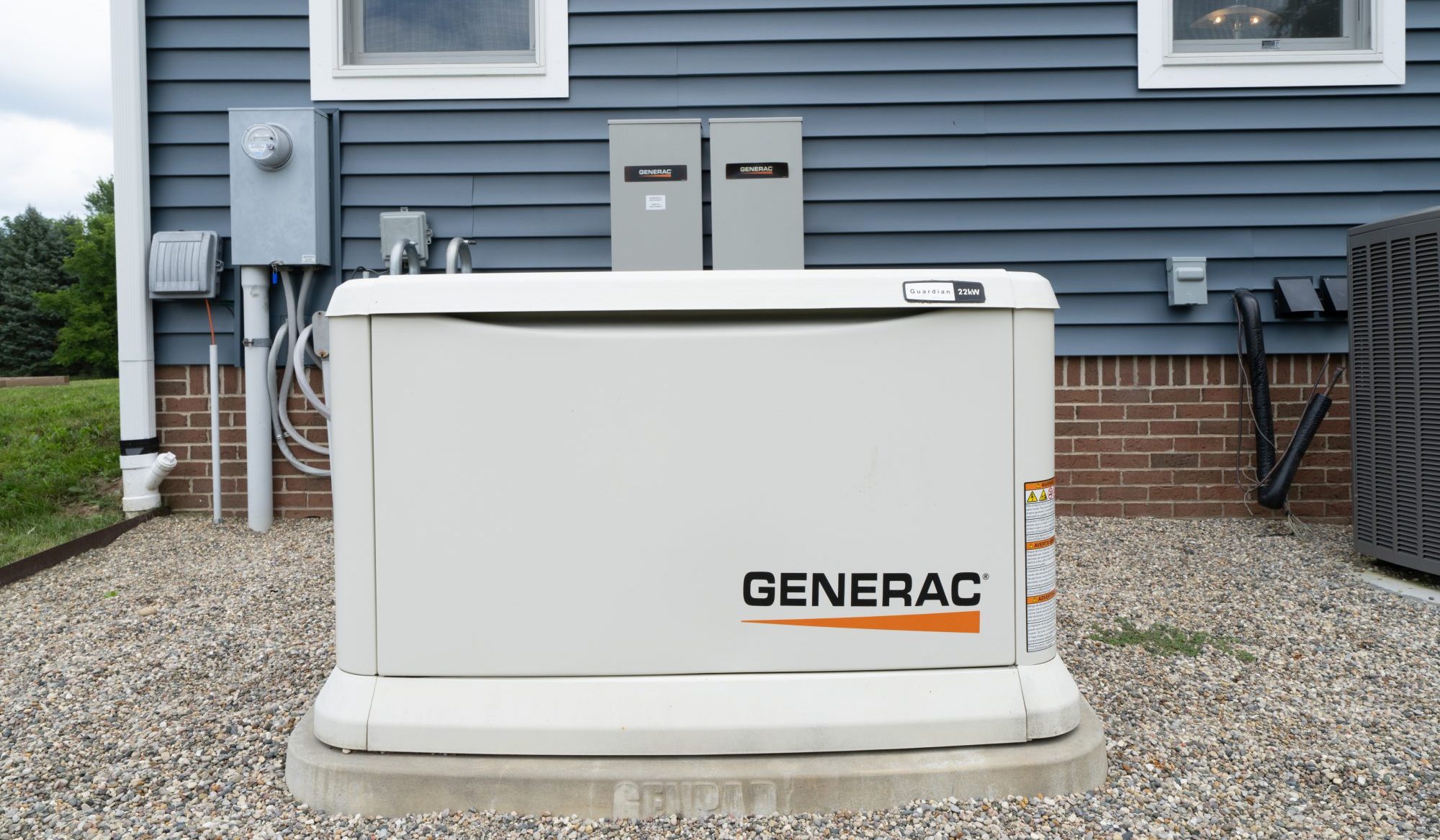
How to Keep Your Home Generator in Working Order for the Winter Season
Winter storms can hit unexpectedly, often bringing heavy snow, ice and biting cold that can strain the power grid. When the lights go out, your home generator is your lifeline, keeping your heat running and your family safe. But just like a car sitting in the garage for months, a…
How to Determine When to Replace or Repair Your Commercial Generator
Commercial generators serve as the backbone of business continuity, powering critical operations when the grid fails. When your generator starts showing signs of wear, you face a crucial decision: invest in repairs or purchase a replacement unit. This choice impacts your budget, operations and long-term reliability. At Generator Technologies, Inc.,…
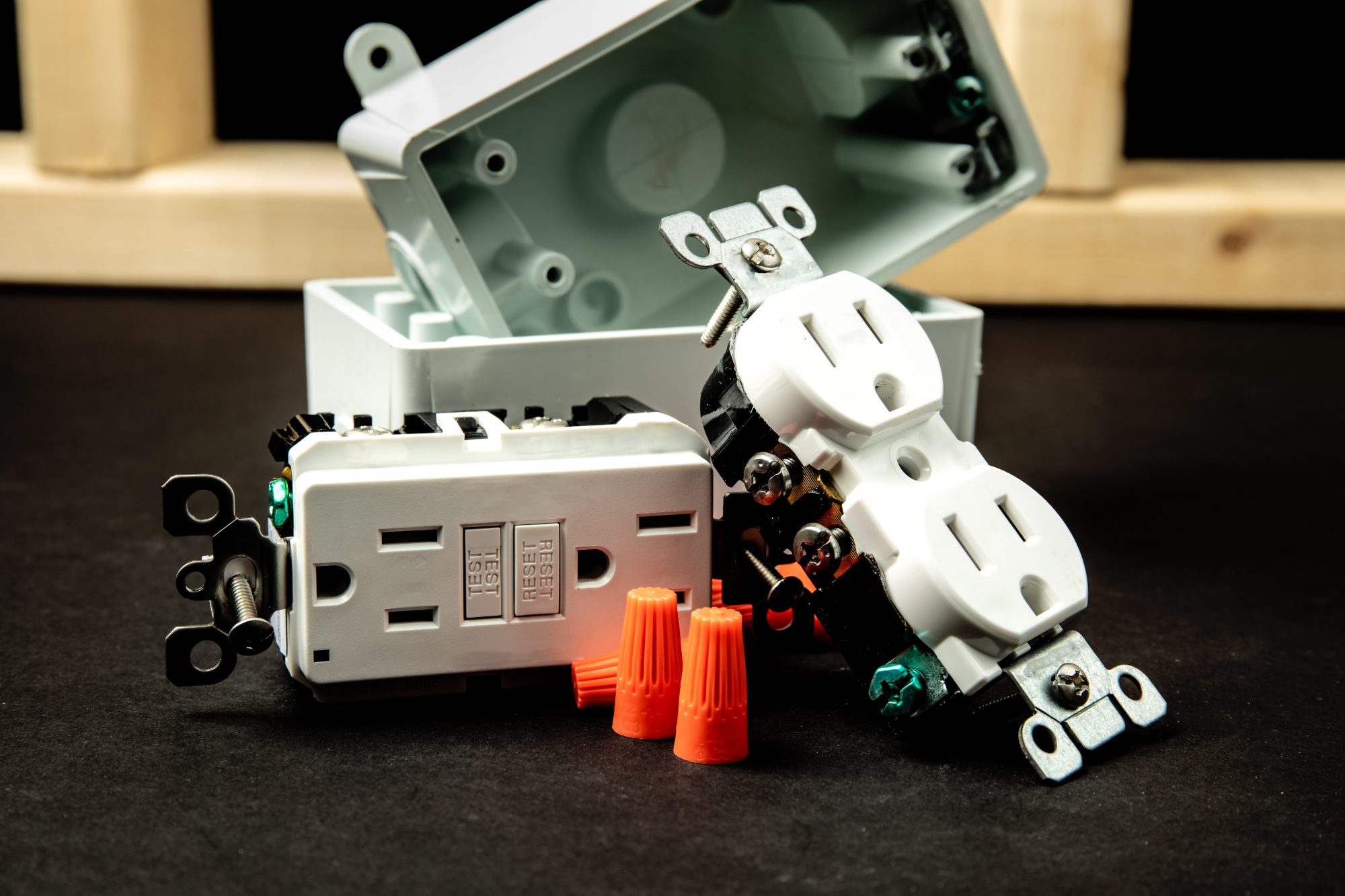
What’s the Difference Between 15-Amp Outlets and 20-Amp Outlets?
Choosing the right amperage can save you from frustrating power interruptions and potential safety hazards. Whether you're renovating your kitchen or setting up a workshop, knowing when to use 15-amp versus 20-amp outlets will help you make informed decisions about your home's electrical system. At Generator Technologies, Inc., we help…
Google Reviews
We purchased the property a year ago and the Generac was included. The previous owners did provide some information on the services performed. After a year of operation it was time to have the unit serviced. Based on the reviews...

Amazing customer service! Everyone from the front desk to the installation crew was extremely professional and knowledgeable. Install was quick! 10/10 I would highly recommend this company!
During a recent and extended power outage, my generator was running for approximately 18 hours. I noticed it was leaking oil. I called Generator Technologies, this was a Friday afternoon, so I didn't expect anyone to come out until the...
Great guys. Senior came out, gave me a quote to install my generator. Junior installed a short time later. Done a great job and good price. I needed there service again, Junior came out and did what he needed to....
I can't say enough about the service I received from them. I've never used them before but I will always use them from here on out. I was lucky enough to have them out at my house 1 hour after...
What an excellent company! From the consultation to the estimate to today's install - perfectly flawless. In addition to the knowledge of all the technicians, they were the nicest group of guys we've ever had work at our home. They...
Great staff and great technicians, they know what they are doing and get the job done, thanks Aaron, Ethan, and Tina for helping me with my warranty work through generac and figured out my auxiliary switches were defective.
Experienced, helpful and reasonably priced! Gen-Tech has helped me after purchasing a home with an existing generator. From extra keys, normal maintenance and a new gas pipe, they do it all!
They showed up on time. They fixed an issue we had with our panel in a timely matter and did routine maintenance. These guys are the best 5 stars
I got tired of all the power outages in my area. I mean 17 times in less than a year! Power outages for a few minutes to hours and even two days. I looked into costs and finally decided on...


Financing Available*
Flexible options to secure reliable power
solutions for your home, family & business!
Contact Us Today For A Free Estimate
708-672-6251
Contact Us For A Free
No Obligation In-Home Estimate


*Certain restrictions apply. Financing is subject to credit approval. Financing is offered through Generac Power Systems, Inc. Financing is not provided by nor determined by Generator Technology Inc. Not all applicants will qualify for the 0% financing
The information on this website is for informational purposes only; it is deemed accurate but not guaranteed. It does not constitute professional advice. Testimonials are not a guarantee, warranty or prediction of what your experience with us will be. By providing certain contact information herein, you are expressly authorizing the recipient of this message to contact you via the methods of communication provided.
NUVEW | Copyright 2026 Generator Technologies Inc. All Rights Reserved. | Accessibility Notice | Privacy Statement