
How to Keep Your Home Generator in Working Order for the Winter Season
Looking For A Specific Post? Search Below
How to Keep Your Home Generator in Working Order for the Winter Season
Winter storms can hit unexpectedly, often bringing heavy snow, ice and biting cold that can strain the power grid. When the lights go out, your home generator is your lifeline, keeping your heat running and your family safe. But just like a car sitting in the garage for months, a generator needs attention before it’s called into action. Routine maintenance is critical to ensure your system doesn’t fail when you need it most. From checking fluid levels to preventing fuel line freezes, a little preparation goes a long way. At Generator Technologies, Inc., we specialize in comprehensive maintenance to keep your power running no matter the season.
Key Winter Prep Steps:
- Check Fluids: Monitor oil and coolant levels.
- Inspect Fuel: Prevent freezing and degradation.
- Watch the Battery: Look for corrosion and charge issues.
- Clear the Area: Remove snow and debris.
- Test Components: Ensure the transfer switch works.
- Get Expert Help: Schedule professional inspections.
Why is Regular Maintenance Important for Your Generator?
Winter conditions are harsh on machinery. Frigid temperatures thicken oil, drain batteries and can cause fuel lines to freeze. If your generator has been sitting idle since the last summer storm, it might not start when the temperature drops. Routine winter preparation prevents these common failures, like battery death or clogged filters, ensuring your system runs efficiently and provides reliable backup power during an outage.
How Often Should You Run Your Generator?
Even if you haven’t experienced a power outage recently, you should still run your generator. Manufacturers typically recommend running the unit for about 20 to 30 minutes every one to three months. This “exercise” cycle keeps the engine parts lubricated, prevents seals from drying out and ensures the system is ready to spring into action. Think of it as a warm-up lap; it catches potential problems before they become emergencies during a blizzard.
What Fluid Levels Should I Check & How Often?
Oil and coolant are the lifeblood of your generator. Before winter sets in, check your oil level and quality. Cold weather can make old, sludge-filled oil difficult to circulate, straining the engine. Starting the season with fresh oil ensures smooth operation. Additionally, check the air filter. A clogged filter restricts airflow, reducing efficiency. Replace it if it looks dirty to ensure your engine breathes easily.
How Can You Prevent Fuel Problems?
Fuel issues are a leading cause of generator failure in winter. Condensation can form in empty space within a fuel tank, which may lead to frozen fuel lines when temperatures plummet.
- Propane: Ensure the tank is at least 80% full.
- Gasoline: Keep the tank full to minimize condensation space.
- Stabilizer: Add a fuel stabilizer to gas-powered models to prevent ethanol buildup and fuel degradation during periods of non-use.
How Can You Prevent Corrosion of the Battery?
Batteries hate the cold. Low temperatures reduce a battery’s cranking power, and if your battery is already weak, it may not have enough juice to start the generator. Visually inspect the battery terminals for white or green corrosion. Clean any buildup to ensure a secure connection. If the battery is older (typically over 3 years), consider replacing it before the first freeze to avoid being left in the dark.
Is the area around your generator clean?
Your generator needs to breathe. Winter weather often brings drifting snow, ice and falling branches that can block intake vents or exhaust pipes. Blocked vents can cause the unit to overheat or shut down completely. Regularly shovel a path to your generator and clear a perimeter around it. If necessary, install a manufacturer-approved cover that protects the unit from snow accumulation while allowing proper ventilation.
Is the transfer switch working properly?
The transfer switch is the bridge between your generator and your home’s electrical panel. It safely shifts your power source during an outage. If this component fails, your generator might run perfectly but fail to power your home. Test the transfer switch by running through a simulated outage cycle. If you notice any hesitation or failure to switch, contact a professional immediately.
When should you schedule a professional inspection?
While DIY checks are essential, a professional eye can spot issues you might miss. If you are unsure about the condition of your belts, hoses or internal components, it is time to call in the experts. A professional inspection offers peace of mind that your investment is fully protected.
Don’t wait until the storm hits to find out your generator isn’t working: being prepared is the best defense against winter power outages. Contact Generator Technologies, Inc. today for a free estimate or to schedule your winter maintenance.
Related Blog Posts
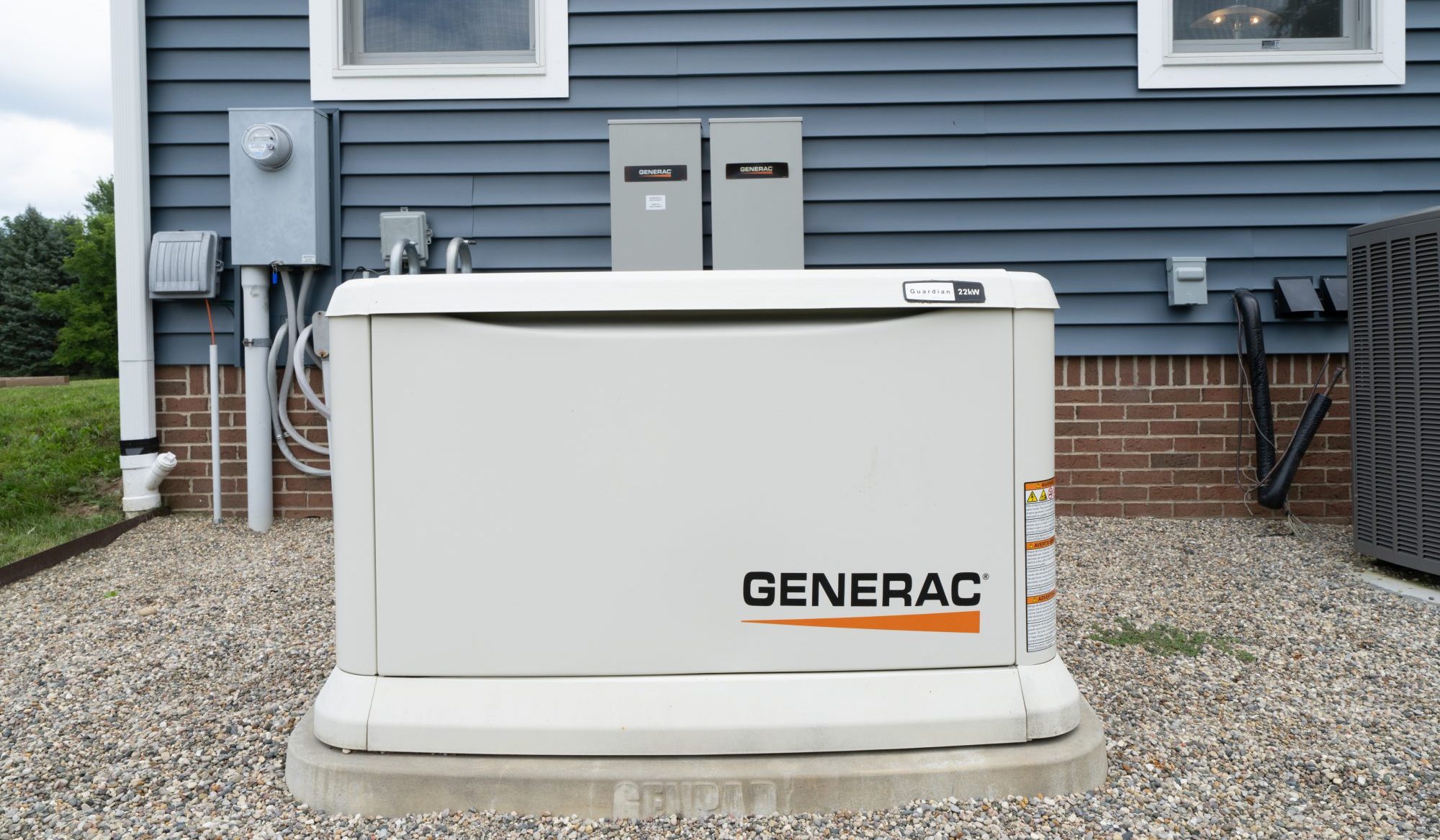
How to Keep Your Home Generator in Working Order for the Winter Season
Winter storms can hit unexpectedly, often bringing heavy snow, ice and biting cold that can strain the power grid. When the lights go out, your home generator is your lifeline, keeping your heat running and your family safe. But just like a car sitting in the garage for months, a…
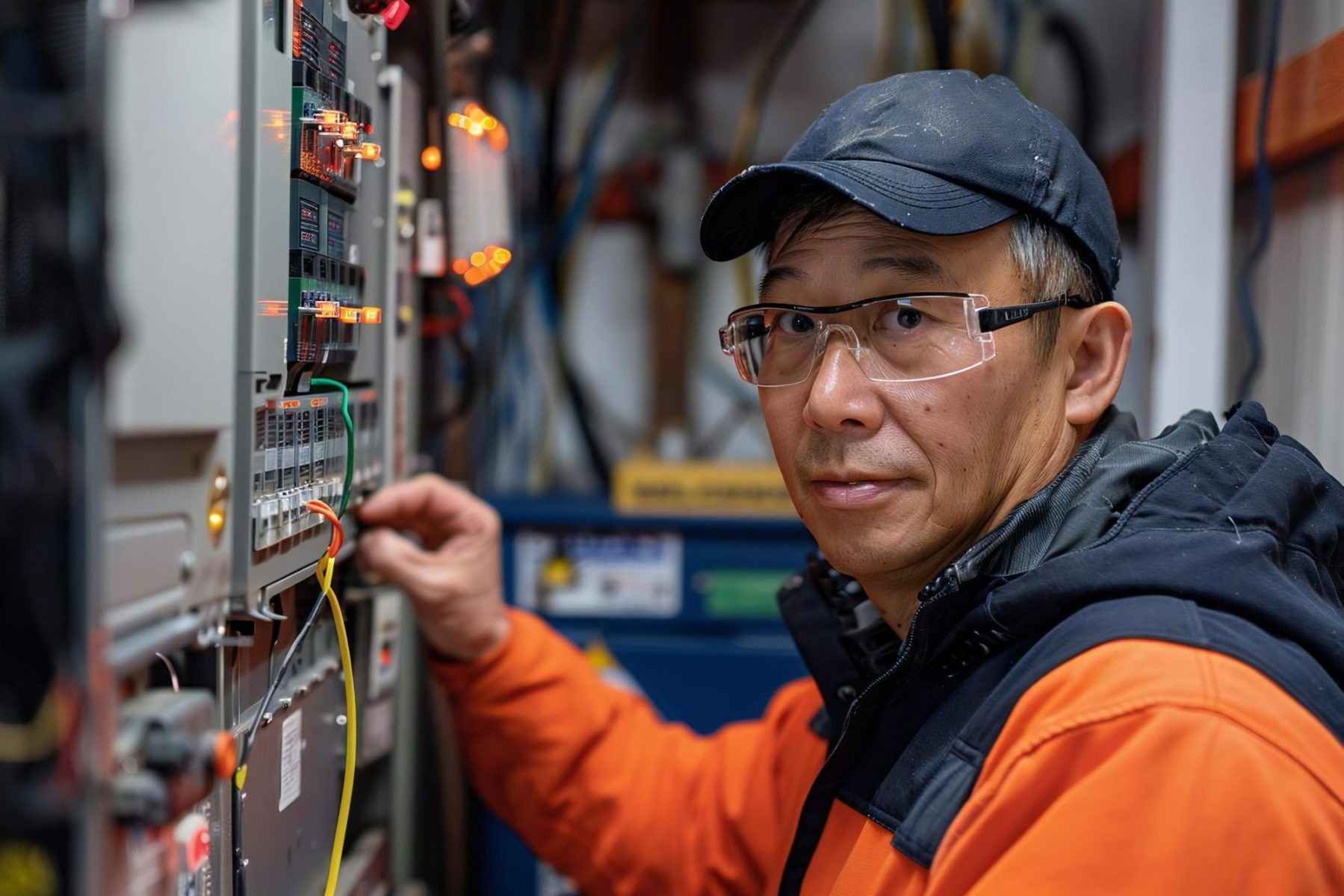
How to Determine When to Replace or Repair Your Commercial Generator
Commercial generators serve as the backbone of business continuity, powering critical operations when the grid fails. When your generator starts showing signs of wear, you face a crucial decision: invest in repairs or purchase a replacement unit. This choice impacts your budget, operations and long-term reliability. At Generator Technologies, Inc.,…
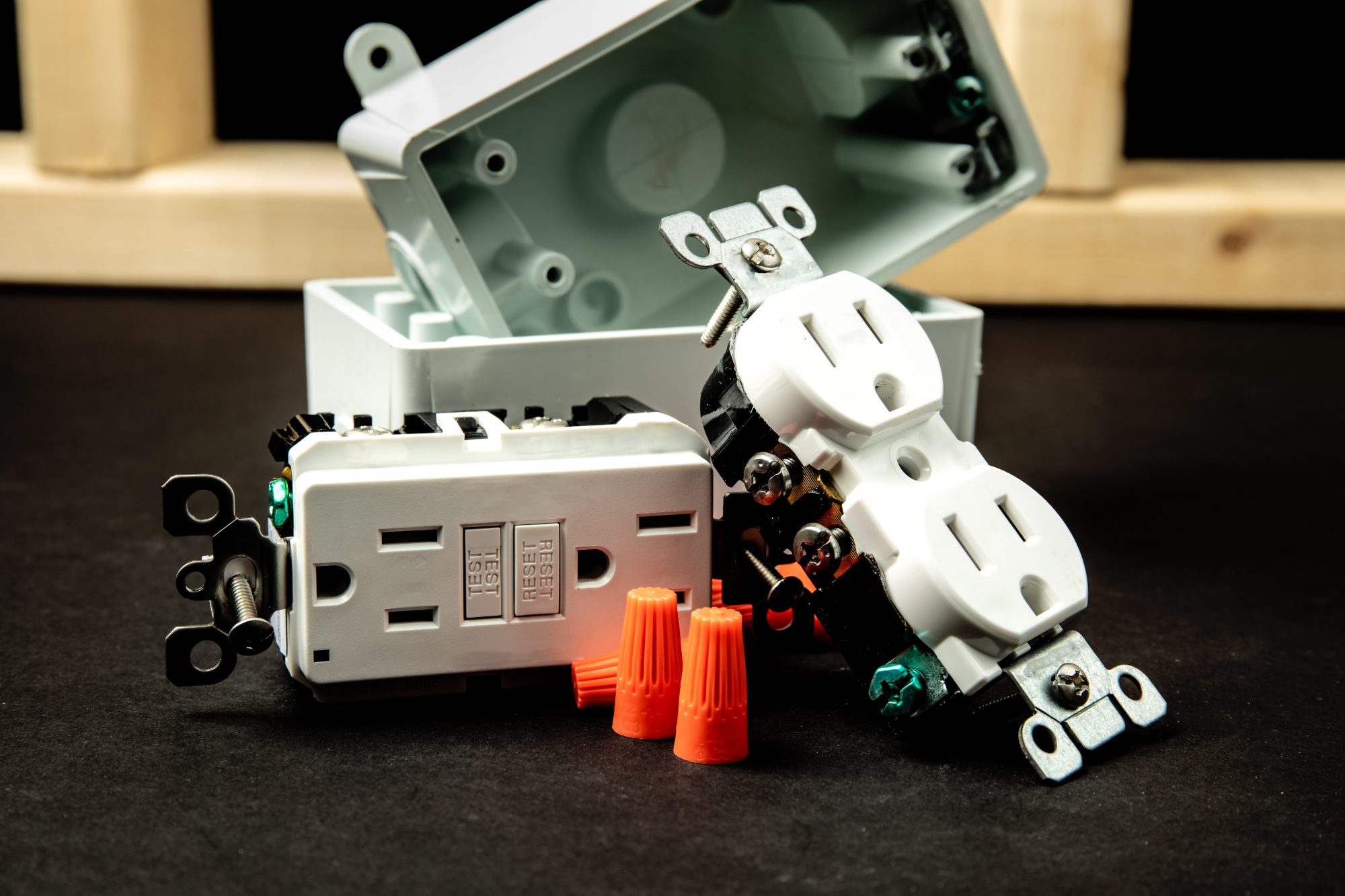
What’s the Difference Between 15-Amp Outlets and 20-Amp Outlets?
Choosing the right amperage can save you from frustrating power interruptions and potential safety hazards. Whether you're renovating your kitchen or setting up a workshop, knowing when to use 15-amp versus 20-amp outlets will help you make informed decisions about your home's electrical system. At Generator Technologies, Inc., we help…
Google Reviews
We purchased the property a year ago and the Generac was included. The previous owners did provide some information on the services performed. After a year of operation it was time to have the unit serviced. Based on the reviews...

Amazing customer service! Everyone from the front desk to the installation crew was extremely professional and knowledgeable. Install was quick! 10/10 I would highly recommend this company!
During a recent and extended power outage, my generator was running for approximately 18 hours. I noticed it was leaking oil. I called Generator Technologies, this was a Friday afternoon, so I didn't expect anyone to come out until the...
Great guys. Senior came out, gave me a quote to install my generator. Junior installed a short time later. Done a great job and good price. I needed there service again, Junior came out and did what he needed to....
I can't say enough about the service I received from them. I've never used them before but I will always use them from here on out. I was lucky enough to have them out at my house 1 hour after...
What an excellent company! From the consultation to the estimate to today's install - perfectly flawless. In addition to the knowledge of all the technicians, they were the nicest group of guys we've ever had work at our home. They...
Great staff and great technicians, they know what they are doing and get the job done, thanks Aaron, Ethan, and Tina for helping me with my warranty work through generac and figured out my auxiliary switches were defective.
Experienced, helpful and reasonably priced! Gen-Tech has helped me after purchasing a home with an existing generator. From extra keys, normal maintenance and a new gas pipe, they do it all!
They showed up on time. They fixed an issue we had with our panel in a timely matter and did routine maintenance. These guys are the best 5 stars
I got tired of all the power outages in my area. I mean 17 times in less than a year! Power outages for a few minutes to hours and even two days. I looked into costs and finally decided on...


Financing Available*
Flexible options to secure reliable power
solutions for your home, family & business!
Contact Us Today For A Free Estimate
708-672-6251
Contact Us For A Free
No Obligation In-Home Estimate


*Certain restrictions apply. Financing is subject to credit approval. Financing is offered through Generac Power Systems, Inc. Financing is not provided by nor determined by Generator Technology Inc. Not all applicants will qualify for the 0% financing
The information on this website is for informational purposes only; it is deemed accurate but not guaranteed. It does not constitute professional advice. Testimonials are not a guarantee, warranty or prediction of what your experience with us will be. By providing certain contact information herein, you are expressly authorizing the recipient of this message to contact you via the methods of communication provided.
NUVEW | Copyright 2026 Generator Technologies Inc. All Rights Reserved. | Accessibility Notice | Privacy Statement